The 10 best, good and the worst social media campaigns! Social Media for Beginners. Information and Guide to understand Social Media.


If you’re heading a company that’s not particularly savvy with the concept of Social Media, you must have at least come across the term “Social Media” somewhere on the web. Or you may have read about it in a few blogs, after all, just about anyone who writes blogs has become a social media expert, or has at least one post glorifying the benefits of using social media. And quite frankly, with all due respect even to the “I-have-one-social-media-post-in-my-blog-I’m-an-expert-now!” type of bloggers, they do have a good point. We’re all experts at social media, even if we’ve just opened a new mail account. You don’t get it? You soon will, as you read on…

In several of my meetings, I’ve had clients asking me what exactly Social Media is. They do understand that it’s all about advertising and promoting products and brands using networking sites on the internet. But if it’s really that simple, then why isn’t it just called Online Advertising? The truth is, Social Media Marketing is a unique concept that’s entirely different from traditional means of online advertising. But we’re still left with the question, what then is social media?

The easiest way to understanding social media, is to relate it to the relationship between men and women. We may think we know everything about relationships, but every day is a new day. And one can never know what makes a partner happy and what doesn’t, even if they’ve been married for fifty years, or have been jumping from one bed to another faster than their new partner can fasten their zippers. So is social media like a relationship? Yes, to a large extent. But is social media a mystery? Not at all! Then why are there so many different definitions, you may ask? The easiest way to explain all the confusion about Social Media is that it is just too simple! Its simplicity is its biggest boon, and yet, its biggest bane.

Without going any further into the post, let me explain what social media is, without entering the zone of a dictionary or a research paper. This paragraph is for newbies though. For starters, social media is nothing but a method by which we can sell, brand or reach out to the whole world by using websites, forums, content sites, wiki sites, networking communities, blogs, etc. But it’s done with a difference (we’ll talk about this in a bit though). Networking community sites and forums are websites where people can interact with each other and create new friends in the online world. A few examples of social networking sites include Facebook, Linkedin, and Twitter. If you’ve used the internet and haven’t really heard of at least one of these sites, I’m guessing you’ve had your head buried under a pile of sand or snow, depending on where you’re coming from. But it’s alright, really. We’ve all been out of the loop at some time in our lives. And we’ve all dusted ourselves clean on the way out.

Social media marketing is a means by which we can advertise products or ideas to the rest of the world using two-way communication channels. Traditional advertising has always been one sided, but with social media, a new interactive medium of promotion can be created. This one factor is the biggest difference between traditional media and social media.

Anyways, so why is social media simple? It’s simple because anyone can understand it, and it’s simple because even a newbie can enter a site and start a social media campaign! You don’t believe me? What do you think you do as soon as you join a social networking community like Facebook? The first two things every single person does is 1. Update profile. 2. Invite friends.

Isn’t that like creating a product or a brand (you), and reaching out to a particular audience (your friends)? So every single person who has ever used a social networking site and has at least a few friends online has created a social media strategy! And that’s how simple it really is. And that’s why social media, as simple as it seems, is a tough nut to crack. Social media tactics are easy to understand and implement on a small scale, i.e., between friends.

But the problem starts when you want to connect and reach out to more than just your good friends. Social Media Application is all about using similar strategies as connecting with friends on Facebook, but on a larger scale, and reaching out to more people. So how do we reach out to people we don’t know, and beyond that, how do we make those unknown people reach out and spread your message to more unknown people?

Celebrities get an easier deal here, because they have hundreds of thousands of people willing to follow them on their social networking pages. But an upcoming brand that not many people know of is definitely bound to have a harder time getting people to talk or follow them on social networking sites.

If a friend tweets a good link, or leaves you a message about a funny incident on Facebook, and you find it interesting, big chances are, you may forward the message to other friends of yours. That’s one of the key elements of social media marketing. It’s the exponential spreading and exchanging of ideas between different people. And even small measures can show huge results. One single tweet on Twitter could spread across the world in a few minutes, if the tweet is informative or has something that’s worth tweeting.

So now we come to the concept of implementing social media for your business. Obtaining good results from social media asks for the creation of an idea that’s worth spreading and talking about. As we’ve experienced before, if we like something on our Facebook page or Twitter homepage, we’ll forward it. So do you have a great message to send out to people on community sites? Do you know a way to entice users to follow you or your product?

Clothing stores and just about any other kind of store there is, use certain tactics to draw customers. Some have awesome window displays, some create a nice cosy hangout, and some stores put up big discount hoardings. They’re all ways to draw potential customers’ attention. And these potential customers talk about it with their friends, and the chain building starts off, and continues as long as the store has something worth talking about. To implement social media marketing and use it well, you need something just like that to reach out to people, over the internet.

Simplicity has a strange way of bringing along with it the biggest difficulties. Social Media campaigns are simple and yet, difficult to perfect. While it’s easy to spread ideas amongst loyal customers and people we know or interact with, getting them to spread it further to their friends and co-workers is where the difficulty begins. There are several social media marketing companies across the world that create these campaigns for their clients. Few ideas work, but most ideas don’t.

So can you become a social media expert or can you use different ideas to implement social media campaigns for your own brand? Perhaps. But remember that campaigns created by an untrained eye can actually do you more harm than good. A campaign could backfire and your message may be forwarded to other people with negative remarks! It’s happened even with the biggest brands like Skittles and GM (Make your own SUV ad). What matters is how well you understand the concept of social media and its implementation. Almost all of us can drive, but why aren’t we all participating in F1? That’s the difference between someone who knows what’s social media, and a professional social media marketing practitioner. But for someone who wants to know more about social media, here are some great examples, a few good ones, and (gasp) the ugly ones.

The Best Social Media Campaigns

Dunkin’ Donuts Coolatta Campaign

Dunkin’ Donuts came up with an innovative campaign to reach out to its customers through Twitter and Facebook. It was a campaign that worked, and did wonders for the brand.

The Wizarding World of Harry Potter

When Universal Orlando Resort wanted to launch this theme park, they didn’t spend millions to reach out to their audience. They told just seven people about it. And today, the world knows about it!

The Pink Chaddi Campaign

This is an awesome campaign that brought the whole of India together against a political party. The best part about this campaign was that it was started by just another journo, with no interest in branding or ROI!

The Good Social Media Campaigns

Fiesta Movement Campaign

How can a company that’s being funded by tax payers create a campaign that won’t burn its pockets by going the traditional route? Ford found the perfect way.

The Moonfruit Campaign

What are you going to do on your tenth birthday? Giving away gifts via Twitter might be a good option to get more followers, you know.

Burger King’s Whopper Sacrifice

Will you sacrifice ten friends to get a free burger? Apparently, some people will. And good news for the brand, a lot more spoke about the campaign.

ISpy Levi’s

How far will you go to get someone to drop their pants, and win a pair of Levi’s in return? I’d say, quite far!

The Ugly Social Media Campaigns

Skittles Homepage

What happens when kids find a wall or a blackboard in class, and no one’s around? Well, they scribble the F word. Now why didn’t Skittles give that a thought when they launched their campaign?

Resident Evil Game – T-Virus Campaign

Who wouldn’t panic when they think their phone is attacked by a virus? Even if it was just a joke, would you take that well?

L.K. Advani’s Election Campaign
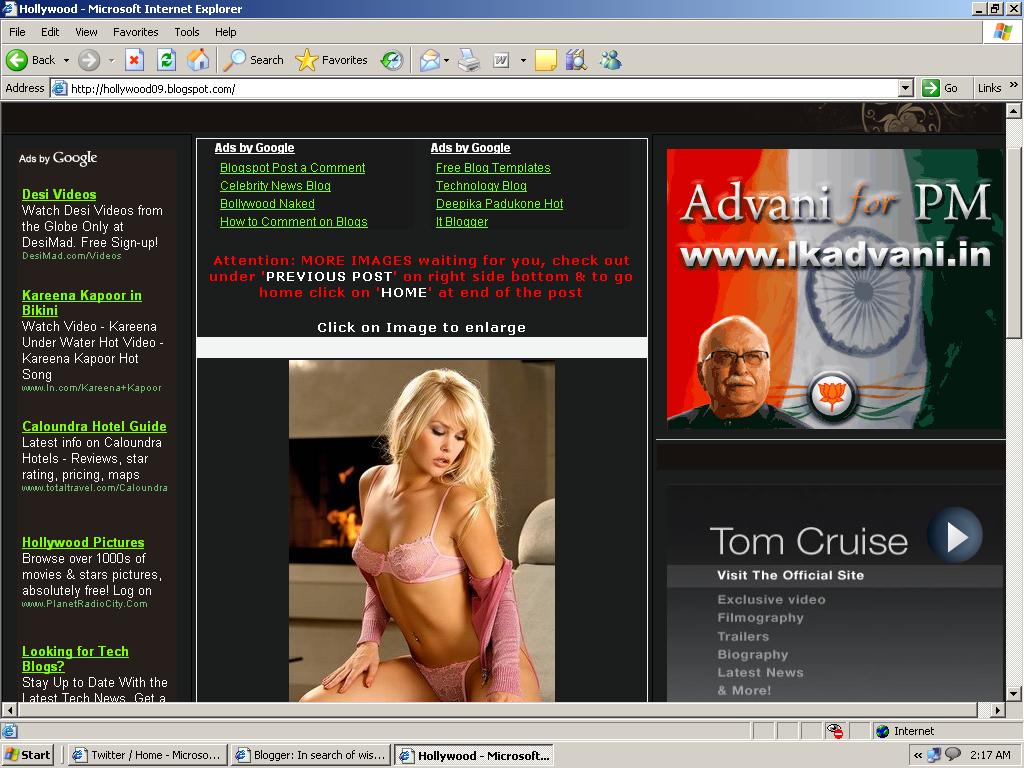
Why spend over two and a half billion rupees on a social media campaign when there’s nothing social about it? And why didn’t his party spend a few more rupees on a few more people to see where this campaign was popping up?!

3 com

The Complete Guide to Branded Custom Inhouse Publications


Why should your company start a magazine? How can branded inhouse magazines help your company?

After the recent global hit, one of the biggest changes we’ve seen across the globe is the number of branded magazines that have cropped up in the last couple of years. Also known as contract publishing or customer publishing, it’s spreading faster than ever before. A few years ago, only the most elite of all brands and companies boasted of publishing their own inhouse magazines, but today, it’s more of a necessity than a style statement. Retailers, resorts, hotels, spas, malls, FMCGs, and almost every other niche have their own magazine today. In this post, you may find quite a few links to my older posts, which I recommend you read. Each linked post has a detailed explanation about every aspect involved in the production of a custom magazine. You can start by reading this link about branded magazines and market predictions [Inhouse branded magazines the next best thing].

Why is it a better medium?

An internally published magazine is way better than traditional magazines, in several ways. Why else would everybody prefer them over traditional advertising and branding media? This link [Do you really need an inhouse magazine?] should help you understand the benefits of an inhouse magazine over other forms of media.

Can the Return on Investment be measured?

Of course, it can! And if any custom publisher tells you otherwise, or plays with words, you’re better off without that publisher on your side. A custom publication is no good without a full-fledged strategic marketing plan to ensure return on investment, either by means of advertising revenues, or by database comparison. Read this link to know all about it [Custom Media and Return on Investment].

Educating your clients and consumers

A custom magazine is a great medium to educate your customers and potential customers. While a regular magazine reader may glance at your double spread advertisement with mild interest, and may care less whether you exist in their favourite magazine or not, a branded magazine hits the nail in a completely different zone. When a customer reads a custom publication, they know exactly what to expect. And with every flip of another page, they know that they are going to find more information about your products and your company. Therefore, with a branded magazine, the reader isn’t distracted by your information and products. Rather, they’re looking forward to knowing more about your brand.

Involving Customers

Involving customers and drawing them to your loyalty club is not an easy task. Exclusive membership cards and weekly newsletters are a thing of the past. Today, consumers are a clever bunch, and can spot an advertisement even in an editorial page. So trying to confuse your customers isn’t going to go very easy on your brand building campaign. So what does an advertising brand have to do to connect with their customers? The easiest way is through a custom magazine. Today’s customers want to see a brand’s genuine interest in them, and not the fake campaigns that hit them right between the eyes. We’ve all received a call from some company at least once in our lifetime, telling us that we’ve won a three day free trip to a luxury destination! And then, some trusting customers who accepted that offer are left with a bitter taste in the mouth and loads of undisclosed bills in their hands! If you want to reach out to your customer, be genuine. Marketing gimmicks are a thing of the past, and with social networks all around us, you’ll have an online hate campaign against you in no time! Cafe Coffee Day felt the heat with #ccdsucks, so can you!

An inhouse magazine shows a genuine interest in the customer, and brands your company as a customer-friendly company. And goodies in the magazine like gift coupons, add-ons, etc. can create a big positive impact. Get in touch with me to know about more marketing ideas to gain bigger brownie points with your customers, and involve them better using an in-house magazine. Read this link to find out more about getting brownie points by hitting the mark on customer-focus [Does your company need a custom publication?].

The daunting difficulties in Asian countries

Custom Media is booming across the world. In the U.K., custom branded magazines are even beating traditional magazines at their own game! But in Asia, the custom magazine movement still hasn’t picked up steam like it has in the rest of the world. We do have a lot of inhouse magazines, but just not enough to raise a toast or cheer. One of the biggest reasons for this is the low diversity in advertising campaigns. In Asia, the marketing focus is primarily on traditional mediums, and a few others. There’s hardly ever a direct mail campaign, and a unique hard-hitting social media branded campaign comes as often as a drizzle in the Sahara. The lack of innovative means to reach out to consumers has dampened the media frenzy that’s hit the rest of the world. The ads on the telly and in magazines are just about passable, and some are blatantly copied!

To make matters worse, companies across Asia, especially in India, have another way of looking at custom magazines. Whenever a company intends to start an inhouse magazine, they expect their inhouse magazine to function like a mainstream magazine! They want the same fame, and they want the same advertising revenues. And wait for it, they want to break even in less than three issues! Click this link to find about more about conversations around inhouse magazines in India [Are you in it (custom magazines) only for the money?].

The New Age of Content Marketing

For a long time, visuals have always played a great part in marketing campaigns. But since the last few years, especially with the advent of social networking and content forwarding, content has started playing a very important role in advertising campaigns. Good content can generate more hits and forwards than visuals, unless the visuals are truly striking or bordering on the sleaze, and not all brands can use Axe/Lynx ads to get viral hits. Companies are paying more to ensure that their content is hard-hitting and informative, and a few other companies are paying even more for great online campaigns and insertions. Especially in online mediums, content in the form of guest posts, blogs and advertorials have blurred their zone with regular articles. Content isn’t just king anymore, it’s more than that. And with a custom publication, you’re reaching out to an interested audience with just that power.

Branding with inhouse magazines

Inhouse magazines can play a big part in direct sales, and more. But unlike gift coupons or broadsheet advertisements for discount sales, the return on investment can’t be judged over a 48-hour period. It’s all about how effective your magazine is at connecting with your reader. And how informative a reader finds the magazine, which is one of the primary reasons why several inhouse magazines fail miserably. It isn’t just about writing content that pops up at the writer’s whims and fancies. Content plays a vital part in generating leads in inhouse magazines. So how long will it take to see the big hit? Well, it all depends upon the effectiveness of your magazine’s content. Click here to read more about custom media and its results [How soon can custom media show results?].

Increase of social networking communities

Inhouse magazines don’t necessarily have to be printed and distributed by hand or mail. Some of the finest magazines are distributed online, and their customer base is only increasing with each passing day. But unlike print magazines, they also carry with them a considerable risk because of the large audience that online mediums generate. Good online magazines are discussed and distributed like hot cakes, but even a few flaws can create worldwide criticism! As much as you want to reach out to a big audience, you still have to understand the requirements of going online with your content. So if you’re looking at a cushy online spot, make sure you’ve got the best custom publishers working on your magazine!

Maintaining the balance

Inhouse magazines have a tendency of creating a huge bulge in the ego pants! And this is especially true for newer companies that want to up their brand, really fast. For an inhouse magazine to really work, research conducted by Confetti Media has shown certain percentages of company information versus reader-engaging information that are crucial for the success of an inhouse magazine. Every category of brands has their own successful percentages. For example, a fashion brand can use 100% of its pages to talk about its products, and still keep the customer happy, whereas a hotel magazine can’t talk about itself for more than 30% of the pages, and automotive magazines can’t talk about their own companies for more than 60% of the pages. Cross these percentages, and your magazine may be in the red zone of discarded magazine. But this is not the same as advertising about your own brand. That’s a whole new issue! But that aside, read this [12 things that you should never do with an inhouse magazine] to have a better idea of what to do and what not to do when you launch an inhouse magazine.

Outsourcing Custom Publishing

In most cases, custom inhouse magazines are usually produced by internal teams that multitask and juggle two profiles. And in a few other cases, custom magazines are outsourced to advertising agencies. The biggest downfall in these two cases is that, the first option is more internally focussed, while in the case of advertising agencies, the content is focussed more on sales. As subtle as I may try to be, the fact remains that no one understands the requirements of a custom magazine as much as a custom publisher. At the end of the day, every single page of content has to have a direct relevance to branding, increasing awareness, and a good return on investment. Just like you wouldn’t delegate your marketing and selling activities to your public relations team or vice versa, however close their way of working may seem, it’s just the same with content. You can’t delegate it to just about anyone if you are genuinely interested in seeing positive results. Here’s a good link of mine that can help you find out how much an inhouse magazine can cost your company [How much does a custom publication cost?].

The Round-up

Now that we’re though all these pointers and the links in the post, I’m certain you’d know all about inhouse magazines and how to use it effectively to increase your branding, customer awareness, loyalty, revenue generation, etc. and etc. But if there’s anything more that you’d like to know, or if you’d be interested in working with me on a new and exciting venture into content marketing and custom media, hey, I’m only a message or a call away!

Get in touch with me. 24 hours or less before you hear from me. You have my word.

Related Posts with Thumbnails 4 com
RSS The Power of Custom Media at  Blogged
Alltop, confirmation that I kick ass

Vinod Srinivas Confetti MediaVinod Srinivas is a leading media strategist and consultant. As the co-founder of Confetti Media, one of India’s leading custom media houses, he has partnered with several organisations to create successful media strategies over the years. Being one of the pioneers of Custom Media solutions in India, he is one of the most established experts in the application of Custom Media.
This blog discusses the relevance and profitable utilisation of Custom Media, and has definitive and illuminating posts on Social Media, Custom Publishing, Content Marketing, Custom Publications, and new innovations in the world.

Most commented

  • None found